
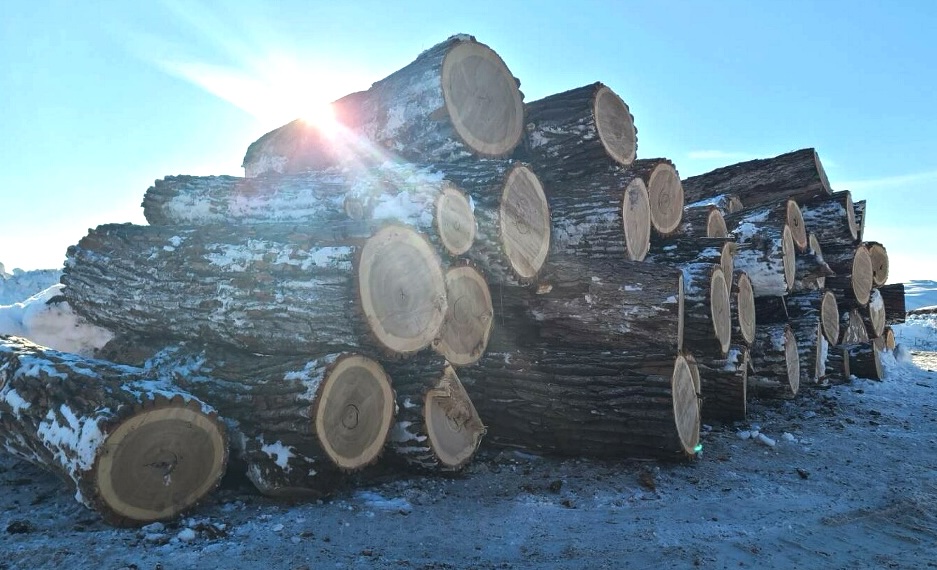
Thinking about diving into the world of portable sawmills? There’s something incredibly satisfying about turning raw logs into beautiful, usable lumber. But before you go all in, there are a few things you’ll wish someone had told you. Here’s a rundown of what you need to know to make the most of your sawmill experience.
Types of Sawmills: What’s the Difference?
First off, not all sawmills are created equal, and TimberKing offers several portable sawmill models to suit different needs. Our bandsaw mills are known for being quieter and more efficient with wood usage than some of our competitors. The TimberKing 1220 is the most rugged personal mill we know of and includes all the same key features we put on our larger industrial mills. Think about your specific needs and budget before choosing the right TimberKing model for you.
Log Quality: It Matters More Than You Think
Not every log is perfect for milling. First, make sure your sawmill can handle the size of the logs you want to cut. The TimberKing 6000 can handle logs up to 60″ in diameter, and even our smallest sawmill can handle logs up to 33″.
Ideally, you want logs that are straight and free of big knots or rot. Before you start sawing, make sure your logs are properly debarked and not too green or freshly cut. Wet logs can make your TimberKing sawmill work harder and lead to warped lumber. Some trees even emit a nasty odor when cut so bring a good mask. A little prep work goes a long way!
Keep Your TimberKing in Top Shape
We know your TimberKing sawmill is a significant investment and you’ll want to take good care of it. Regular maintenance is key—check those saw blades, keep the lubrication system running smoothly, and follow TimberKing’s maintenance guidelines. Ignoring upkeep can lead to headaches and costly repairs down the line. TimberKing provides detailed maintenance schedules to help you stay on top of it.
Safety First, Always
Safety is super important when you’re operating a sawmill. Gear up with safety glasses, ear protection, and gloves. Make sure you’re familiar with the safety guidelines that come with your TimberKing sawmill, and keep a first aid kit handy. Better safe than sorry!
Handling Logs: It’s a Workout
Moving and positioning logs onto your sawmill isn’t exactly a breeze, but we’ve made it as easy as possible with your TimberKing sawmill. You’ll need equipment to help with the heavy lifting. Fortunately, the larger TimberKing machines have hydraulic log loaders and bi-directional log turners. Accessories also include two different sizes of cant hooks to help move and position logs onto the loaders. Investing in these tools can make the process smoother and less strenuous and save you a lot of sweat!
Setting Up Your TimberKing: Location Matters
Where you set up your TimberKing sawmill is crucial, even with a portable sawmill. You’ll need a flat, level area with enough space for the mill and the logs. Make sure there’s room to maneuver and handle logs easily. Also, consider how you’ll power your sawmill—the TimberKing sawmills are electric start but run on gasoline or diesel engines, so you’ll need plenty of fuel. A good setup location will always enhance the performance of your sawmill!
Lumber Yield: Expect Some Waste
Let’s be real—sawmills don’t produce perfect lumber from every log, and TimberKing mills are no exception. There will be some waste, and the amount of usable lumber can vary. Be prepared for this and plan accordingly. It’s all part of the process!
Budget Beyond the Initial Purchase
Buying a TimberKing sawmill is just the start. You’ll also need to budget for blades, maintenance supplies, fuel, and any potential repairs. Don’t forget about the space for handling logs and storing lumber. When you buy a TimberKing, you get everything you need to get started. It adds up, so plan ahead!
Check Local Regulations
Before you start milling away, check with your local authorities and municipality about any regulations or permits you might need. There could be zoning laws or environmental rules or building codes you’ll have to follow, and it’s better to be prepared than to face fines or delays. You may not like the rules, but it’s better to know what they are and follow them. It can save you a lot of trouble to be in compliance.
Learning the Ropes Takes Time
Operating a sawmill is a skill, and like any skill, it takes time to master. Be patient with yourself as you learn the ins and outs of your TimberKing sawmill. Consider joining workshops or talking to seasoned sawmill operators for tips and tricks. TimberKing has many video resources on our old and new YouTube channels, and our experts are only a phone call away. The more you know, the better your results will be!
Buying a portable sawmill from TimberKing is an awesome opportunity to create your own lumber and embrace woodworking in a whole new way. Just remember, there’s more to it than just buying the equipment. By keeping these tips in mind and preparing yourself, you’ll set yourself up for a smoother and more enjoyable sawing experience. Happy milling!