
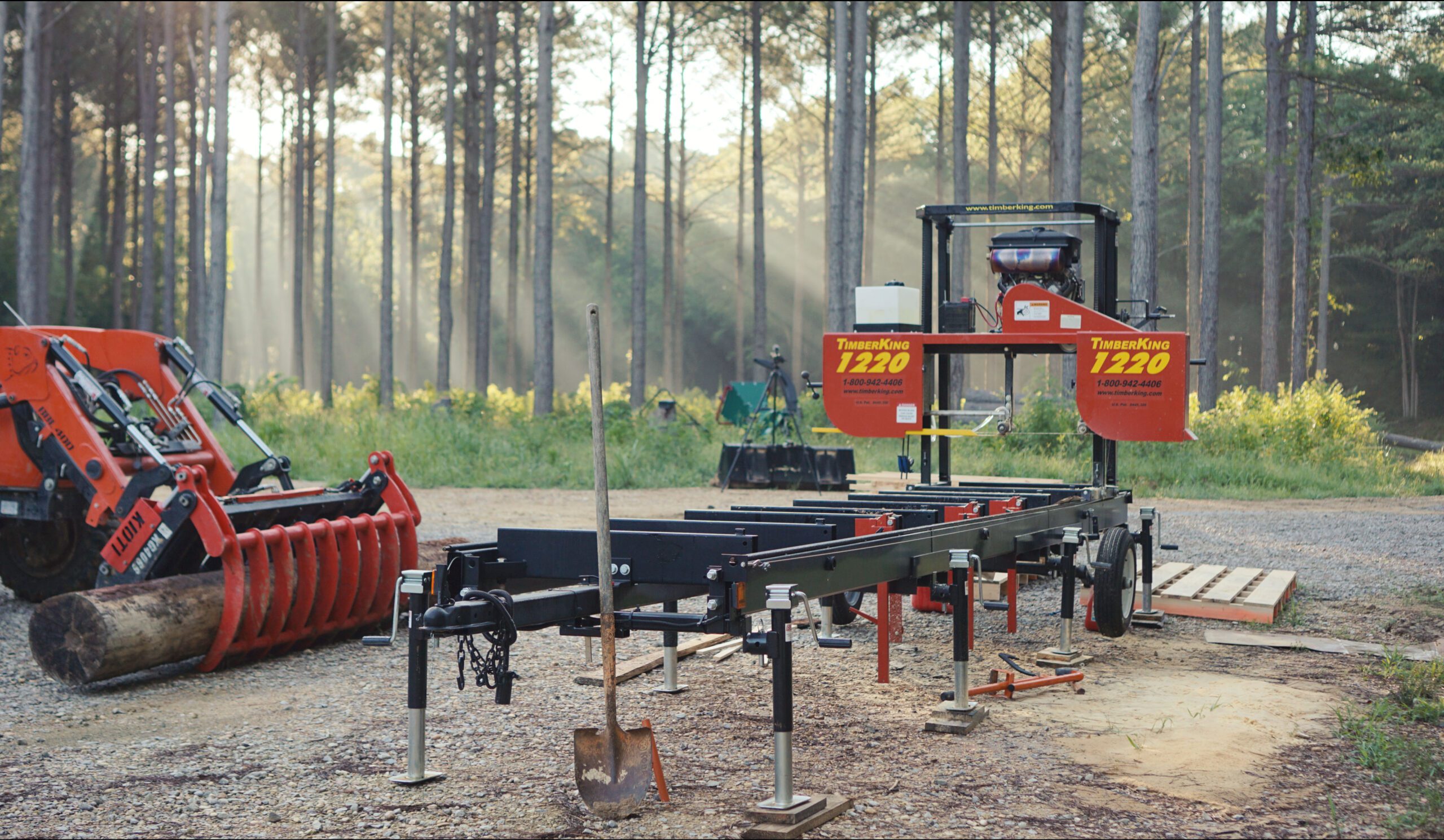
For many, owning a portable sawmill evokes images of independence, craftsmanship, and financial freedom. But is it truly profitable? Discover how the strength and reliability of a portable sawmill can transform your sawyer experience! We’ll explore the undeniable benefits that make this investment not just viable, but lucrative. From the durable build to the innovative design, owning a TimberKing can position you ahead in the industry.
Join us as we examine the key elements that contribute to the success of this venture and hear from satisfied owners who have reaped the rewards. By the end, you’ll see why owning a portable sawmill stands out as a top choice for enhancing your woodworking business.
Understanding Portable Sawmills
Portable sawmills are exceptional machines designed to transform logs into lumber right where you need them, instead of relying on a fixed sawmill plant. These mobile units offer unparalleled flexibility, allowing you to operate in various locations, drastically reduce transportation costs, and access a wider range of log sources. By choosing a portable mill, you’re investing in convenience and efficiency, a decision that many satisfied owners have already embraced.
Key Factors Influencing Sawmill Profitability
1. Initial Investment and Operational Costs
The initial investment in a portable sawmill can range from a few thousand dollars to over $90,000, depending on the model and machine capabilities. Costs associated with fuel, maintenance, and consumables (like blades) should also be considered.
2. Log Acquisition and Quality
The quality and cost of logs are significant determinants of profitability. Purchasing logs in bulk can reduce costs but requires upfront capital. Alternatively, some portable sawmill owners source logs from local landowners or tree services, often at lower prices.
“I cut and sell lumber straight off the mill, 3,500 to 4,000 board feet a week. I buy logs by the truckload and sell lumber wholesale by the truckload to big contractors, developers, and more. I sell retail to woodworkers, cabinetmakers, and homeowners, too.”
>~ Joel Gordon, TimberKing 2020 Owner, Stevensville MT
Joel’s diversified sourcing and sales strategy illustrates how effective log acquisition and market diversification can enhance profitability.
3. Market Demand and Pricing
Understanding and tapping into the market demand for various types of lumber is paramount. High demand for specific wood types or cuts can significantly boost prices and profitability. By diligently researching local markets and forging strong relationships with contractors, developers, and woodworkers, you can ensure steady sales channels and secure your place in the industry.
4. Value-added Products
Transforming raw lumber into value-added products, such as custom furniture, flooring, or specialty wood products, can significantly increase profit margins. Offering milling services to other woodworkers or landowners can also provide additional revenue streams. Diversifying your product offerings and services can mitigate risks and stabilize income.
“We make and sell value-added products and lumber to homeowners, craftsmen, contractors — anybody and everybody! You’ll never beat Lowe’s on lumber prices so don’t even try. Find a high-value niche and stick to it. Don’t sell cheap stuff – sell value-added specialty products like tongue-and-groove lumber, siding. live edge slabs, mantles, beams, and more.”
~ Dan White, TimberKing 2020 Owner, Robertsdale Alabama
“Besides all our other produces, we made 8,000 charcuterie boards last year. We sold every one we could make for $25 each. So we turned free scrap wood into $200,000!”
~ Todd Langford, Chequest Millworks, TimberKing Owner, Peoria Arizona
“Funny thing about my chicken coops. The price doesn’t matter to folks. At first, I charged $1,000 per coop. Then I raised the price to $1,500. Then $1,900. Now they’re $2,400 apiece. I’m making and selling fewer coops but making more money!”
~ >Chris Cox, TimberKing 2220 Owner, Cox Custom Coop & Cabins LLC, Stonefort IL
Benefits of Owning a Portable Sawmill
1. Flexibility and Mobility
Portable sawmills offer unparalleled flexibility, allowing owners to operate in multiple locations. This mobility can reduce transportation costs and provide access to a wider variety of logs.
2. Control Over Production
Owning a portable sawmill gives you control over the entire production process, from log selection to final cut. This control ensures high-quality output tailored to customer specifications.
3. Cost Savings
By processing your own logs, you can significantly reduce the cost of lumber compared to purchasing from commercial suppliers. This cost-saving can translate directly into higher profit margins.
Challenges to Consider
While the potential for profitability is substantial, certain challenges must be addressed:
- Initial Learning Curve:Operating a portable sawmill effectively requires skill and experience. Investing time in learning and possibly attending woodworker meetups or workshops is essential. In addition to a day of hands-on training with your sawmill delivery, TimberKing also supplies “How to Set Up and Run a Profitable Custom Sawing Business” Book for FREE, 40 pages of time-tested advice and easy-to-follow plans for making the most of your mill.
- Weather Dependency:Outdoor operations can be affected by weather conditions, impacting productivity.
- Market Fluctuations:Lumber prices and demand can vary, affecting income stability.
FAQ
Will a sawmill pay for itself?
Absolutely, a sawmill can pay for itself, often within a relatively short time frame! With careful management and a keen understanding of market needs, many sawmill owners report paying off their initial investment within a few years and enjoying substantial profits thereafter.
Can you make money with your own sawmill?
Yes, you can absolutely make money with your own sawmill. The profitability of a sawmill business is influenced by key factors: efficient log procurement, understanding market demand, and creating value-added products. Many successful sawmill owners have diversified their revenue streams by selling custom-made lumber, furniture, cabinetry, and other specialty wood products. They also offer milling services to other woodworkers, contractors, and homeowners, enhancing profitability even further. By tapping into niche markets and focusing on high-value items, sawmill owners can achieve remarkable financial returns.
Is it cheaper to have your own lumber milled?
Having your own lumber milled is often more cost-effective than purchasing commercially milled lumber. By owning a portable sawmill, you have direct control over the production process, from selecting the logs to the final cut. This autonomy allows you to reduce the costs associated with middlemen and commercial suppliers. Additionally, milling your own lumber enables you to utilise every part of the log, even scraps, for various projects, reducing overall waste and enhancing value. Over time, the savings achieved from milling your own lumber can be significant, further validating the investment in a sawmill.
Owning a portable sawmill can indeed be profitable, especially for those who diligently manage operational costs, source quality logs, and diversify their markets and product offerings.For those ready to embrace the challenges and rewards, a portable sawmill offers not just profitability but also the satisfaction of hands-on craftsmanship and business ownership. Happy milling!